



UPF50+ Sun and Insect Protection
Specialists in Travel Clothing & Accessories
“Purple Turtle evolved in response to the problems encountered during our travels through life. There are many websites that sell gadgets for the roughie toughies, but not so many that cater for the meek and mild as well. We focus more on the people issues and offer a range of solutions to the problems encountered – the little things that can stop a challenge from becoming an ordeal, whilst still leaving the adventure intact. So click on the links below, when you know where you want to go!”
-
Sun Protection
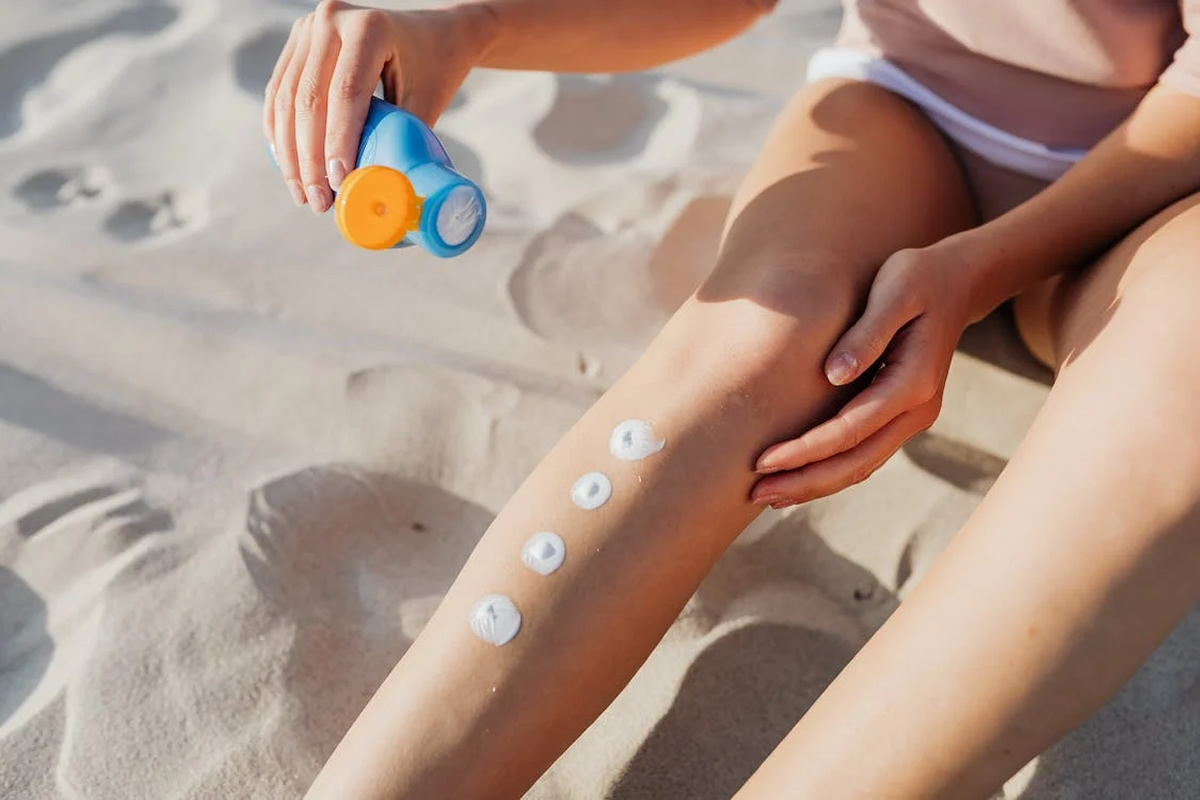
Sunshine is wonderful - but don't forget to cover up! Learn more about Sunscreen, Sun Protective Clothing and UV Beads and Wristbands and how they help protect your skin from the sun. Don't forget your most sensitive part of your face also! Our Solar Nose Shields cover up your nose and are essential for when the sun has already done it's worst. Our SafeSea sunscreen is an another effective sunscreen with the added benefit of Jellyfish repellent, so all you sea, cold water and wild swimmers, take a look as this bottle - it should be a must in your swim bag.





Most Popular
-
Sun Protection
Sunshine is wonderful - but don't forget to cover up! Learn more about Sunscreen, Sun Protective Clothing and UV Beads and Wristbands and how they help protect your skin from the sun. Don't forget your most sensitive part of your face also! Our Solar Nose Shields cover up your nose and are essential for when the sun has already done it's worst. Our SafeSea sunscreen is an another effective sunscreen with the added benefit of Jellyfish repellent, so all you sea, cold water and wild swimmers, take a look as this bottle - it should be a must in your swim bag.
Travel Tips & Guides
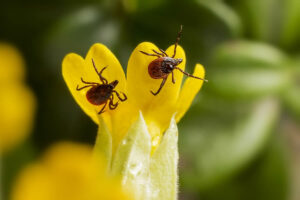
Ticks Q&A
Frequently asked questions about Ticks and Lyme disease. Questions and answers about how to remove ticks and how to spot Lyme's disease are a must read.
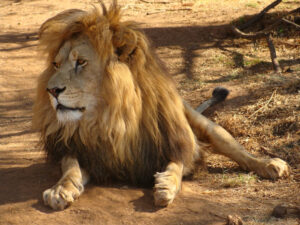
Safari Kit List
A quick and easy list that you can print and tick off! A recommended guide to what to take and what you need to take. Helpful tips for your Safari adventure!

About New NosiLife – Eucalyptus Citriodora Oil
From Spring/Summer 2024 Craghoppers have launched a new and improved NosiLife technology. Read about the changes and differences here.
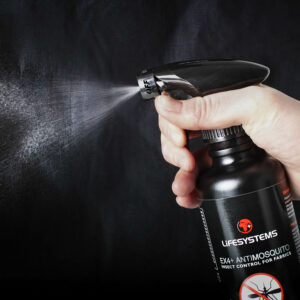
Permethrin Spray - Frequently Asked Questions
Permethrin spray and frequently asked questions - A helpful read about this useful product.
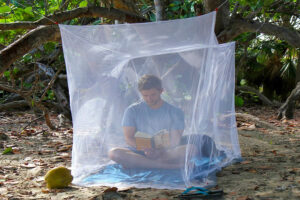
How to Choose a Mosquito Net
So you've been told you need a mosquito net... but not sure where to start? Take a look at our helpful selection guide to help you make the right choice.

Travel Tips for Safari
Safari holidays are not just holidays, they are amazing lifetime experiences! Read our Safari travel tips for extra info!
Midge & Mosquito Netting - Q & A
Ever wanted to know the difference between midge and mosquito netting? Read our guide to help you make your choice.
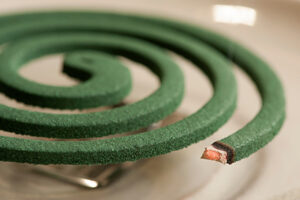
How Mosquito Coils Work
We have created a helpful page about how to use Mosquito Coils. It also has a handy video to show you and information about how they work.